
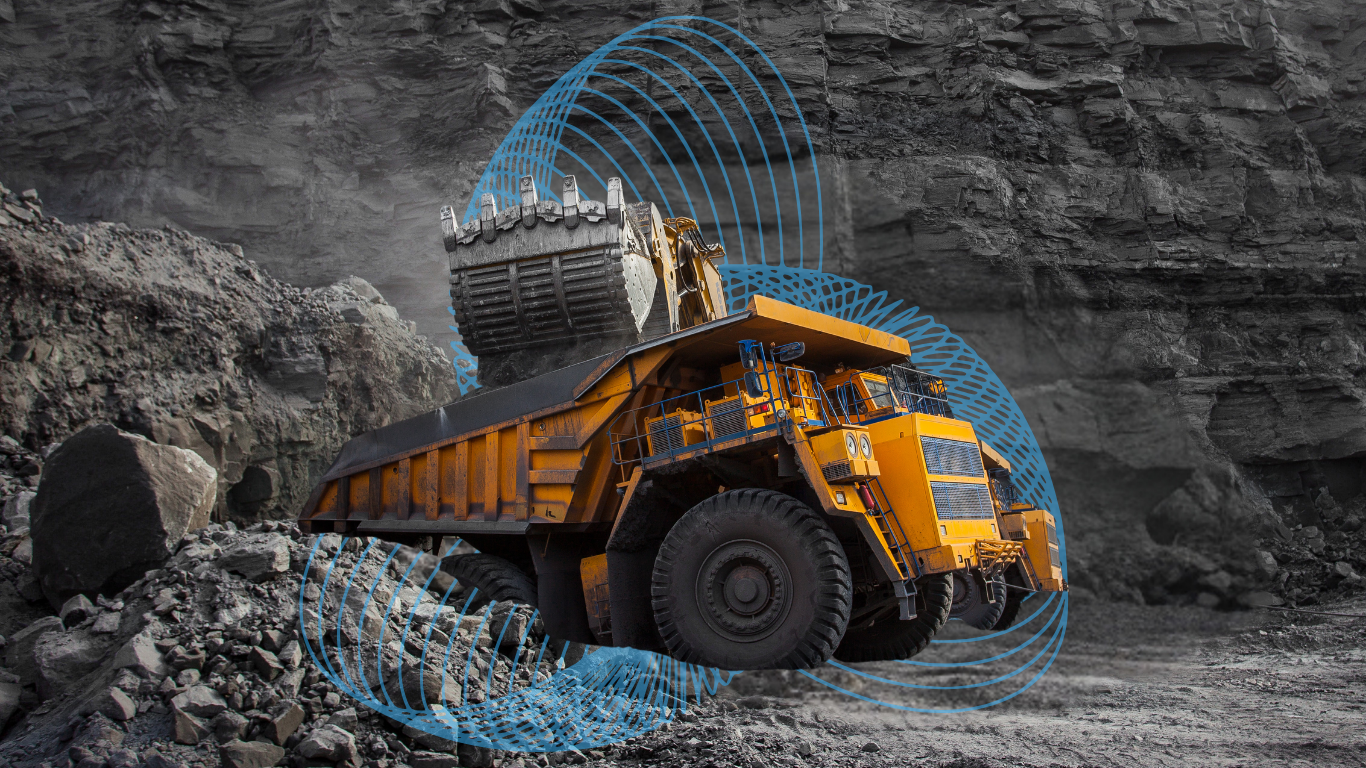
Optimization for Mining & METS
Optimize Mining & METS Complexity. Deliver Measurable Operational Value Today.
LFI helps mining operators and METS technology providers solve large-scale fleet, blending, and logistics problems that classical systems struggle with, unlocking throughput, reliability, and margin improvements across the value chain.
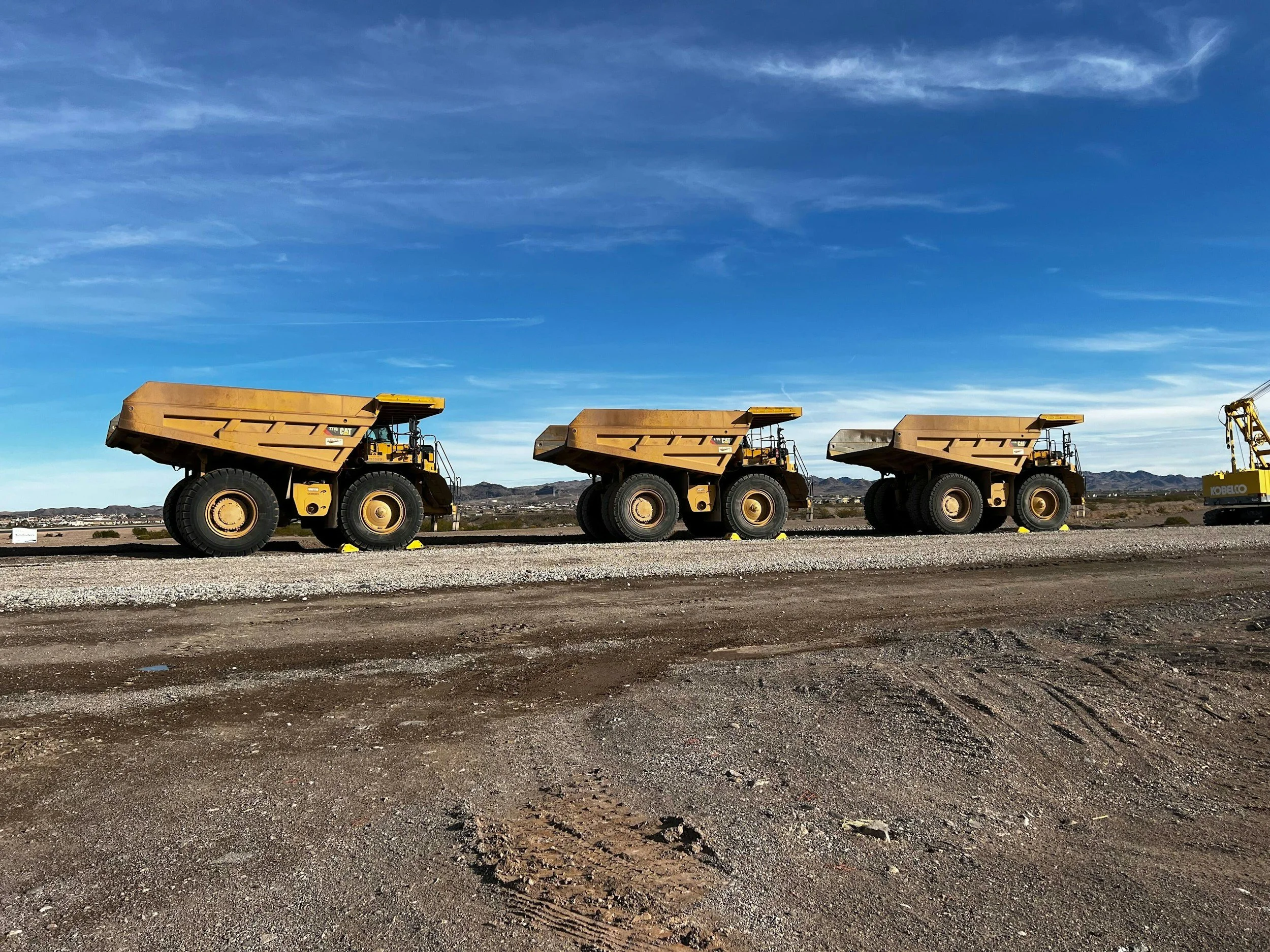
Mining & METS Face Complexity at Every Scale and Every Decision
Mining operations and supporting METS technologies are differentiated by complexity that spans:
Fleet dispatch and utilization across mixed terrain
Ore blending under quality constraints
Mine-to-stockpile and mine-to-port sequencing
Dynamic energy, haulage, and maintenance cost trade-offs
Multi-stage constraints that traditional optimization cannot resolve efficiently
These are not engineering curiosities; they are value drivers. For operators, even minor improvements in scheduling, blending, or routing translate into millions in margin. For METS technology providers, differentiating with solutions that scale with complexity is a strategic imperative.
LFI’s role: Translate emerging computational advantage into commercially defensible outcomes, not research pilots.

Quantum-Assisted Optimization for Mining’s Hardest Problems
Mining and METS decision problems (such as multi-constraint fleet dispatch, blending mixes, and mine-to-port sequencing) belong to categories where classical approaches struggle with scale and real-time constraints.
LFI applies hybrid quantum-classical optimization and commercial architecture to:
Optimize fleet dispatch in real time.
Blend ores for quality and economics.
Sequence haulage and port logistics with minimum cost and delay.
Balance energy, maintenance, and utilization trade-offs.
Enable better decisions without replacing existing systems.
This is not about bleeding-edge experiments. It is about better outcomes tomorrow, capturable today.
A Commercial Path to Advantage — Not Another Technology Bet
LFI helps organizations unlock value through a structured architecture we call the Quantum Value Stages™.
A fixed-scope assessment that identifies where quantum provides real economic value, and where it does not. Board-ready deliverables include:
Priority problem inventory
Defensibility and risk map
Near-term vs. long-term opportunity matrix

Mining data, designs, and operational patterns are valuable, and vulnerable. We build enterprise-ready plans for:
Post-quantum cryptography readiness
IP protection and long-lived data governance
Security architecture aligned with operational systems
Where classical solutions reach limits, LFI drives real performance improvements:
Hybrid quantum-classical optimization
Integration with existing TMS/ERP/dispatch systems
Measurable throughput and cost gains
Defensible differentiation for METS providers and mining leaders:
Advanced simulation and solution co-development
Proprietary optimization configurations
Market-making capabilities that competitors cannot replicate
What Success Looks Like.
+10–15% throughput through optimized fleet and haulage scheduling.
Reduced variability in ore quality with smarter blending.
Lower operating cost per ton moved or processed.
Improved energy utilization with dynamic dispatch decisions.
Board-ready risk and opportunity strategies for emerging computing.

Vendor-Agnostic. Operationally Grounded. Commercially Accountable.
Your team doesn’t need another vendor. You need:
Independence from hardware lock-in and speculative bets.
A partner who speaks operations and finance, not just algorithms.
Outcomes you can measure in profitability, reliability, and risk management.
We build solutions that:
Respect existing operational systems.
Integrate with planning and execution workflows.
Are defensible to boards and auditors.
Translate into measurable business KPIs.

-
Mining problems involving fleet dispatch, ore blending, haulage routing, and mine-to-port sequencing often grow too complex for classical optimization to solve efficiently, especially under real-time constraints. Hybrid quantum approaches are well suited to these problem classes.
-
Yes, when applied selectively. Hybrid quantum-classical and quantum-inspired methods can already improve certain mining optimization problems without requiring fully fault-tolerant quantum hardware.
-
AI and ML are effective for prediction and pattern recognition. Quantum and hybrid optimization focus on decision-making under extreme combinatorial complexity, such as selecting the best solution among billions of feasible schedules or routes.
-
Even small improvements in fleet utilization, blending efficiency, or scheduling can translate into millions of dollars annually for large operations due to scale, energy intensity, and asset costs.
-
Initial optimization pilots can often produce measurable improvements within weeks to a few months once the problem scope and data are defined.
-
Yes. LFI designs solutions that integrate with existing fleet management, dispatch, ERP, and planning systems rather than replacing them.
-
It enables the evaluation of vastly more routing and dispatch combinations simultaneously, helping operations adapt to changing conditions such as equipment availability, congestion, or energy constraints.
-
Yes. Ore blending decisions involve multiple competing constraints (grade targets, recovery rates, transport costs, and downstream impacts) which are well suited to hybrid optimization approaches.
-
Yes. Mine-to-port sequencing and logistics coordination are classic large-scale scheduling problems where hybrid quantum methods can outperform traditional heuristics.
-
Yes. Long-lived geological, operational, and IP data may become vulnerable as computing capabilities advance. Addressing this early reduces long-term risk.