Critical Materials – The End of Trial and Error
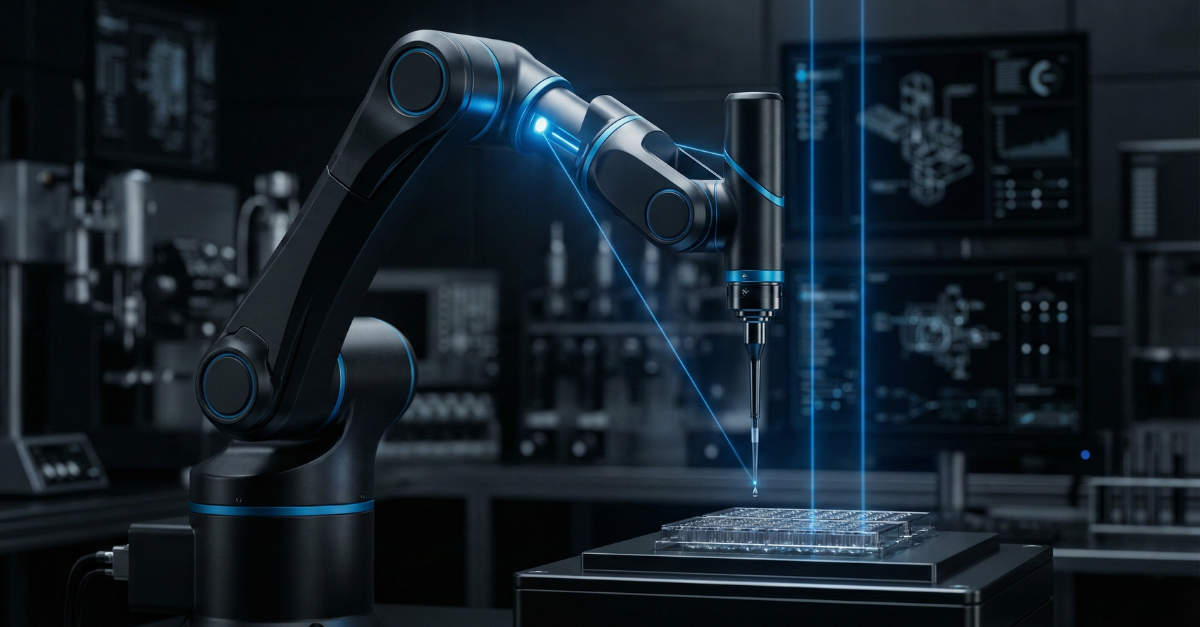
If your materials science division is still relying on manual iteration to discover new alloys or battery chemistries, you are on a path to be mathematically obsolete by July 2026.
The Context: By July 22, 2026 (Day 240), the U.S. DOE is mandated to review capabilities for autonomous or robotic laboratory facilities. The Mission explicitly integrates these tools to solve challenges in Critical Materials and Semiconductors.
The Insight: We are witnessing the industrialization of the scientific method. The US government is building a "closed-loop" system where supercomputers drive robotic labs 24/7. A manual R&D team cannot compete with a national-scale platform that iterates at machine speed. For manufacturers, this means the era of human-speed discovery in materials science effectively ends next summer.
The Pivot: Shift your CAPEX strategy from ‘Expansion’ to ‘Automation’.
Integrate: Audit your R&D labs for self-driving capabilities before the July 22 milestone.
Automate: Stop funding isolated benches; fund integrated, robotic workflows.
Prepare: Build the API layers necessary to plug your private labs into the Genesis cooperative system.
How we can help: We assist manufacturing leaders in designing Self-Driving Laboratory strategies. Our team evaluates your current experimental workflows and identifies the specific automation layers required to compete in a closed-loop research environment.
Book a Confidential Briefing to learn more.
#MaterialsScience #RoboticLabs #Semiconductors #RNDStrategy #ManufacturingInnovation